
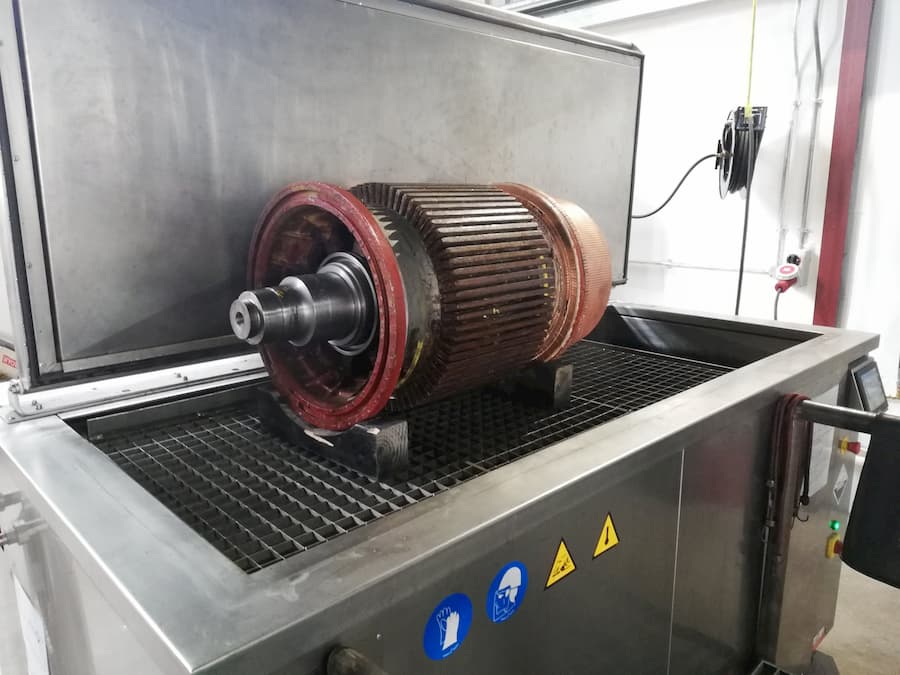
Walk into any workshop or maintenance room and you will see motors quietly doing the heavy lifting. They power fans, pumps, conveyors, and tools that keep operations moving all day. Because they sit in the background, they are easy to overlook until something goes wrong. By the time a motor overheats or starts making noise, buildup inside has often been developing for months.
Dust, oil mist, and grime do more than make equipment look messy. These contaminants trap heat, interfere with airflow, and can even affect electrical performance. A thin film of residue on windings or brushes might not seem like much, but it can slowly reduce efficiency and shorten the life of the motor. Regular cleaning is one of those small habits that pays off in fewer breakdowns and lower repair costs.
In many facilities, maintenance teams focus on lubrication and mechanical wear while forgetting that electrical components need attention too. A simple cleaning routine can prevent a lot of headaches. Think of it as basic hygiene for your equipment, not an optional extra.
What Actually Builds Up Inside Electric Motors
Most people imagine dirt as loose dust that can be wiped away easily. In reality, motor contamination is usually more complicated. It is a sticky mix of airborne particles, grease, carbon dust, and sometimes moisture. Once it settles, it clings to internal parts and becomes harder to remove.
Over time, this buildup can create insulation problems or restrict moving parts. Cooling passages get blocked, temperatures rise, and components age faster than they should. In high use environments, this process can happen surprisingly quickly. A motor that looked fine a few months ago might already be working harder than necessary.
Common Sources of Contamination
Industrial spaces are full of things that motors would rather avoid. Fine dust from cutting or grinding operations drifts through the air and finds its way into housings. Oil vapor from nearby machinery settles on surfaces and acts like glue for other debris. Even routine processes such as sanding or packaging can introduce particles that slowly accumulate.
Moisture is another factor that often goes unnoticed. Humidity or small leaks can cause dirt to cake together and create stubborn deposits. When water mixes with dust and oil, it forms a paste that is difficult to remove without proper cleaning products. That is when routine wiping stops being effective and a more targeted approach becomes necessary.
Signs Your Motor Needs Attention
Motors rarely fail without warning. They usually send small signals first, but those clues are easy to miss if you are not looking for them. A slight temperature increase, a faint burning smell, or a change in sound can all point to internal contamination.
If you find yourself resetting thermal protection devices or noticing inconsistent performance, it might not be a wiring issue at all. Dirt and residue could be forcing the motor to work harder to do the same job. Paying attention to these early hints can save both time and money.
Performance Clues to Watch For
One common sign is overheating. When debris blocks airflow or coats surfaces, heat cannot escape efficiently. The motor runs hotter, insulation breaks down faster, and components wear out prematurely. Over time, this can lead to complete failure.
Another clue is erratic operation. You might notice fluctuating speeds, unusual vibration, or brushes that wear out more quickly than expected. These symptoms often trace back to contamination interfering with electrical contact or mechanical movement. Catching the problem early makes cleaning a simple fix instead of a full replacement.
Choosing the Right Cleaning Approach
Not all cleaning methods are safe for electrical equipment. Spraying water or using general degreasers might seem convenient, but they can leave residue or introduce moisture where it does not belong. That can create new problems instead of solving the old ones.
For delicate components like windings, commutators, and brushes, you need a product designed specifically for electrical systems. A proper electric motor cleaner is formulated to cut through grime while evaporating quickly and leaving little to no residue behind. This helps protect sensitive parts and reduces downtime because you are not waiting hours for everything to dry.
Using the correct solution also improves safety. Products intended for electrical use are typically designed to minimize risk in well ventilated environments. That matters when you are working in tight spaces or around energized equipment that must be handled carefully.
Why Residue Free Matters
Residue might not seem like a big deal at first. However, leftover films can attract more dirt and undo the benefits of cleaning. They may also affect electrical conductivity or insulation. In some cases, they even contribute to corrosion over time.
A cleaner that evaporates cleanly helps you avoid these issues. Once applied, it loosens and carries away contaminants, then dries without leaving a trace. This makes the process quicker and more predictable, which is especially helpful during scheduled maintenance windows when every minute counts.
Step by Step Cleaning Practices That Work
A thoughtful process makes cleaning safer and more effective. Rushing in with a spray can and a rag often leads to missed spots or accidental damage. Taking a few extra minutes to prepare can improve results significantly.
Start by disconnecting power and allowing the motor to cool. Safety should always come first, even for routine maintenance. Once everything is secure, remove covers or access panels carefully so you can reach internal components without forcing anything.
Safe and Effective Workflow
Begin by brushing or blowing off loose debris. This prevents larger particles from spreading when you apply a cleaning solution. Compressed air can be helpful, but use it gently to avoid pushing dirt deeper into the motor.
Next, apply the cleaning product to affected areas, focusing on surfaces where grime is visible. Allow it to loosen buildup, then wipe or let it drain away according to the product instructions. Finally, inspect everything before reassembling the motor to ensure no residue or debris remains. This simple routine can extend equipment life by years.
Building Cleaning Into Your Maintenance Schedule
One of the biggest mistakes facilities make is treating cleaning as a one time fix. A motor gets dirty, someone cleans it, and then it is forgotten until the next issue appears. A better approach is to make cleaning part of a regular schedule.
When you treat it like any other maintenance task, it becomes predictable and manageable. You avoid emergency repairs and can plan downtime more effectively. Even a quick inspection every few months can reveal problems early.
Consistency also helps track patterns. If certain motors get dirty faster, you can investigate environmental factors or adjust cleaning frequency. This data driven approach often leads to smarter decisions and lower overall costs.
Balancing Time and Resources
It is easy to worry that adding another task will slow your team down. In practice, short, routine cleanings take far less time than major repairs. Spending twenty minutes now can prevent hours of troubleshooting later. That trade off usually makes sense for both small shops and large operations.
Training also plays a role. When everyone understands the basics of safe cleaning, the workload can be shared. You do not need a specialist for every task, just clear procedures and the right tools.
Long Term Benefits You Will Notice
Clean motors tend to run cooler, quieter, and more efficiently. That translates into lower energy consumption and fewer unexpected shutdowns. Over months and years, these small gains add up to significant savings.
There is also a reliability factor that is hard to quantify but easy to appreciate. Equipment that starts every time and performs consistently builds confidence across the team. You spend less time reacting to problems and more time focusing on productive work.
In the end, cleaning is not just about appearance. It is about protecting an investment and keeping systems dependable. With the right products and a steady routine, you can keep your motors working the way they were meant to, day after day.
