
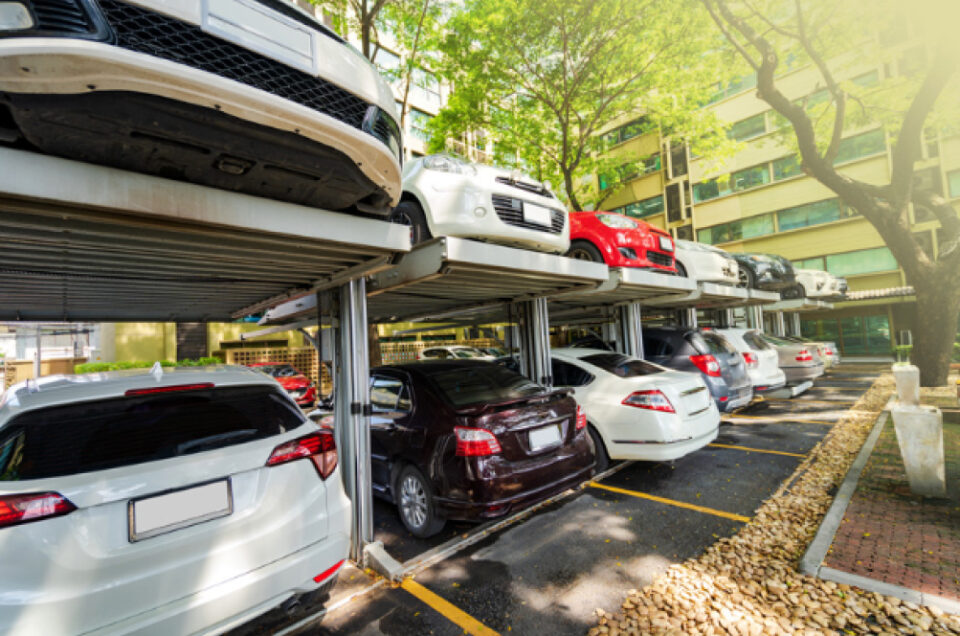
The Mechanics Behind the Puzzle Parking System
How Does It Work? Unpacking the Technology
The puzzle parking system represents a revolutionary advancement in urban parking solutions, blending innovative technology with keen engineering design. At its core, this system functions by utilizing a series of mechanical components—specifically, a combination of elevators, conveyors, and rotating platforms, all working in unison to efficiently park and retrieve vehicles in a compact footprint. Each unit is designed to automatically maneuver cars into designated parking slots, dramatically reducing the need for extensive maneuvering space typically required by conventional parking methods.
The operation begins when a driver enters the parking facility and relinquishes their vehicle to the automated system, which quickly assesses the physical dimensions and weight of the car. This smart technology, equipped with sensors and software algorithms, calculates the most efficient parking configuration and the best path to store the vehicle. Once the arrangement is determined, the vehicle is transferred from the entry point via an automated lift or conveyor belt to its allocated slot. The retrieval process is just as seamless; the system can locate and extract a vehicle in a matter of minutes, delivering it directly to the driver at the entrance and eliminating the frustrating experience of searching for a vehicle in crowded lots.
The Evolution of Parking Solutions: A Historical Perspective
To appreciate the innovation of puzzle parking systems, it’s vital to understand the historical context of parking solutions. Traditional parking methods have been utilized for centuries, ranging from the age-old street parking to multi-story structures that emerged in the mid-20th century. As urbanization surged, so did the demand for parking options, leading to a plethora of parking structures being built in response to rising vehicle ownership. However, these traditional structures often fell victim to inefficiencies, such as limited space utilization and extended retrieval times.
The introduction of the modern parking garage in the late 20th century marked a significant leap forward but still failed to resolve the growing challenges of urban congestion. Japanese inventor Katsuhiro Saito pioneered the idea of automated parking in the 1990s, and since then, various iterations have emerged, culminating in the highly advanced puzzle parking systems of today. This evolution showcases a broader trend towards embracing technology to address urban challenges, positioning puzzle parking as a frontrunner in the push for smarter city solutions.
How Puzzle Parking Systems Optimize Space Efficiency
Puzzle parking systems excel at optimizing space efficiency, making them an essential addition to urban planning strategies, especially where land is at a premium. Traditional parking spots often require substantial real estate not only for the vehicle dimensions but also for clearances and the space needed for maneuverability. In contrast, a puzzle parking system can position vehicles in closer proximity to one another, capitalizing on vertical space instead of merely expanding horizontally.
Benefits of Embracing Innovative Parking Solutions
Reducing Urban Congestion: Can Puzzle Parking Make a Difference?
One of the most pressing challenges in modern urban environments is congestion, which often translates into increased travel times, air pollution, and a decline in overall quality of life. Puzzle parking systems can serve as a powerful tool in reducing congestion by minimizing the need for time-consuming searches for parking spaces. Research shows that approximately 30% of urban driving is spent looking for parking. Automating parking operations and streamlining vehicle retrieval can drastically cut this wasted time, leading to smoother traffic flow and ultimately less vehicular emissions in the atmosphere.
Moreover, with a significant increase in urban populations, cities face immense pressure to provide efficient transportation options. Implementing puzzle parking systems promotes better use of existing infrastructure while also encouraging the adoption of compact and fuel-efficient vehicles, thus aligning with sustainability goals and government regulations on emissions. A city that adopts puzzle parking can essentially reclaim valuable road space for other uses, resulting in less congestion and a more organized urban environment.
Environmental Impact: Sustainable Urban Mobility Solutions
Adapting innovative parking technologies such as puzzle parking systems aligns with broader environmental objectives aimed at sustainable urban mobility. By decreasing the surface area used for parking, these systems can open avenues for green spaces or contribute to urban biodiversity. Additionally, reducing the drive-times typically associated with conventional parking not only cuts down on fuel consumption but also lowers greenhouse gas emissions, making cities more receptive to climate action strategies.
Incorporating renewable energy sources into the operational design of puzzle parking—such as integrating solar panels or efficiently managing power consumption—can further enhance these systems’ environmental profile. Furthermore, many modern versions of puzzle parking systems can operate in conjunction with electric vehicle (EV) infrastructure, allowing cities to develop comprehensive eco-friendly transport ecosystems that encourage the use of clean energy vehicles by removing barriers to convenient charging access.
Time is Money: The Efficiency Gains of Puzzle Parking
In our rapid-paced society, time is indeed a precious asset. Puzzle parking systems contribute to significant efficiency gains, not just in terms of space utilization, but also regarding overall operational time for parking and retrieval. Automated mechanisms drastically reduce the time it takes for vehicle storage and release—typically completed within minutes compared to the often unreported average of 20 minutes in conventional systems. This efficiency translates directly into economic benefits for cities and users alike.
Moreover, with businesses increasingly recognizing that location accessibility impacts consumer behavior, incorporating puzzle parking can boost foot traffic and thus revenue for local establishments. When customers can easily access the shops, restaurants, or offices they’re visiting, it creates a more vibrant urban atmosphere, potentially leading to an increase in economic activity. The return on investment for adopting these systems can be mapped not only in terms of immediate financial gains but also in long-term growth and sustainability of urban areas.
Real-World Applications: Cities Leading the Charge
Case Studies: Cities Successfully Implementing Puzzle Parking
Globally, cities such as San Francisco, Los Angeles, and Tokyo have emerged as pioneers in implementing puzzle parking systems, showcasing the adaptability and effectiveness of this technology. In San Francisco, for instance, the automated parking garage on Mission Street utilizes a puzzle parking design that accommodates 24 vehicles in a surprisingly small footprint, optimizing space in a high-demand urban area. This system has garnered positive attention not only for its technological innovation but also for providing drivers with quick and efficient parking solutions in an area typically associated with severe congestion.
Similarly, Tokyo has long been at the forefront of automated parking technology, with facilities such as the Shibuya Scramble Square leading the way in innovative parking designs. Here, the integration of puzzle parking systems has alleviated congestion in one of the city’s busiest shopping districts, allowing for higher vehicle turnover and improved urban flow. These implementations provide valuable insights into the effectiveness of puzzle parking in densely populated areas and its ability to underpin intelligent urban mobility frameworks.
Community Reactions: Engaging Citizens in Urban Mobility Solutions
To successfully integrate puzzle parking systems into urban centers, engaging local communities is crucial. Public engagement ensures transparency and promotes understanding of the advantages that come with automated parking solutions. In many instances, early skepticism from citizens regarding the technology has transformed into enthusiasm as residents see tangible benefits in reduced congestion and improved accessibility. When residents understand how such technologies impact their quality of life—by reducing commute times and environmental footprints—their support for city initiatives grows significantly.
Public demonstrations and informational campaigns can be effective in addressing concerns and highlighting the technology’s benefits. For example, pilot programs in various metropolitan areas provide firsthand experiences for community members, allowing them to engage directly with puzzle parking solutions. Feedback collected from these initiatives can further refine the design, making the project more aligned with community needs. In involving citizens, urban planners can forge a collective vision, resulting in a vastly improved public perception of innovative parking solutions.
The Future of Urban Planning: Integrating Puzzle Parking Systems
Looking ahead, the amalgamation of puzzle parking systems into broader urban planning frameworks holds immense promise. As cities grapple with population growth and the mounting pressure to modernize urban mobility infrastructure, these systems stand as a pivotal solution for forward-thinking planners. Not only do they cater to current parking demands, but they also position cities to proactively evolve alongside technology-driven societal shifts.
Strategically, urban planners can incorporate puzzle parking facilities into mixed-use developments, ensuring that new housing projects, recreational areas, and business districts are equipped with state-of-the-art parking solutions from the outset. This foresight not only guarantees space efficiency but positions such developments to attract businesses and residents who value innovation and sustainability. The integration of smart parking technology within a comprehensive urban mobility strategy is imperative for cities aspiring to become leaders in sustainability, efficiency, and ultimately livability.
Challenges and Innovations in Puzzle Parking Implementations
Overcoming Technical Hurdles: Keeping Up with Demand
Despite the numerous benefits of puzzle parking systems, several technical hurdles must be surmounted to maintain scalability and effectiveness. Among these challenges is the need for continuous evolution to meet growing demands for parking. As urban populations increase and vehicle ownership rises, puzzle parking systems must adapt to accommodate diverse vehicle sizes and types, including larger electric and hybrid vehicles.
Innovative solutions such as AI-driven management systems that can analyze parking patterns and predict capacity needs are critical. These systems offer a dynamic platform that allows for real-time adjustments in parking configurations based on user demands, turning static strategies into responsive, intelligent frameworks. Furthermore, maintenance of mechanical systems presents its own challenges, necessitating the development of robust support structures that can be easily accessed and managed to minimize downtime.
Public Perception and Acceptance: Changing Mindsets about Urban Mobility
One of the most significant barriers to widespread acceptance of puzzle parking systems is public perception. As with any groundbreaking technology, community acceptance hinges on understanding and familiarity. Many people harbor skepticism towards automation and technology, especially regarding personal property such as vehicles. Education and outreach efforts that showcase success stories and provide factual data on efficiency improvements and environmental benefits can shift public sentiment towards acceptance.
The promotion of user-friendly interfaces, coupled with hands-on experiences through demos or community engagement programs, can help demystify the technology. Additionally, addressing concerns regarding security and the treatment of vehicles within automated systems will further aid in building trust. Open communication about these innovative parking solutions encourages a paradigm shift in how city dwellers perceive the future of urban mobility.
The Role of Government: Policies Shaping the Future of Parking Technology
The involvement of the government in shaping policies that promote the integration of puzzle parking systems is paramount. Local administrations can facilitate the adoption of these solutions through incentives such as grants or tax breaks for stakeholders willing to invest in sustainable parking technologies. Furthermore, implementing policies that support the development of smart infrastructure can pave the way for the seamless integration of automated parking within broader urban mobility initiatives. By aligning parking technology advancements with public transportation, government efforts can lead to a cohesive transportation ecosystem that prioritizes efficiency and sustainability.
As cities evolve, the framework surrounding urban mobility must similarly adapt—becoming more versatile, forward-thinking, and inclusive. By prioritizing the integration of puzzle parking systems within legislative agendas, governments can catalyze significant improvements in urban living conditions while fostering a culture that embraces innovation and sustainable development.
FAQ
Question: What are the potential security concerns associated with puzzle parking systems? – Security in automated systems can be a concern for users who may worry about unauthorized access or theft of their vehicles. Adequate security measures, including surveillance cameras and secure entry points, are essential to mitigate these risks and ensure user trust in the system.
Question: How do puzzle parking systems accommodate electric vehicles (EVs)? – Many modern puzzle parking systems are designed to integrate EV charging stations within the facility. This allows users to conveniently charge their vehicles while parked, promoting the use of clean energy transportation and enhancing the overall appeal of the parking solution.
Question: What are the average costs involved in implementing a puzzle parking system? – The costs of implementing a puzzle parking system can vary widely based on factors such as design complexity, location, and size. However, municipalities must consider not only the initial investment but also the long-term savings in land use and maintenance when evaluating costs.
Question: Can smaller cities benefit from puzzle parking systems? – Yes, smaller cities can also leverage puzzle parking systems, especially in areas with high foot traffic or limited parking options. By optimizing space use, these systems can enhance accessibility and efficiency, making them suitable even for less densely populated areas.
Question: How does the implementation of puzzle parking systems influence local businesses? – By improving parking accessibility and reducing congestion, puzzle parking systems can increase foot traffic to local businesses. This heightened accessibility may lead to increased customer visits and, consequently, higher sales for nearby retailers and restaurants.
Question: Are there any environmental regulations that affect the adoption of puzzle parking systems? – Yes, environmental regulations may influence the adoption of puzzle parking systems, especially regarding energy efficiency and emissions. Many cities prioritize sustainable solutions that comply with local regulations, making puzzle parking systems an attractive option.
Question: What role do community demonstrations play in the implementation of puzzle parking solutions? – Community demonstrations provide residents with firsthand experience of puzzle parking systems, helping to alleviate skepticism and build acceptance. They serve as an educational tool, showcasing technology benefits and gathering feedback for further improvements.
Question: How can local governments encourage the integration of puzzle parking into urban planning? – Local governments can encourage puzzle parking integration by offering incentives such as grants or tax breaks for developers and businesses that adopt these systems. Supporting policies and facilitating public-private partnerships further enhance the implementation of smart parking solutions.
