
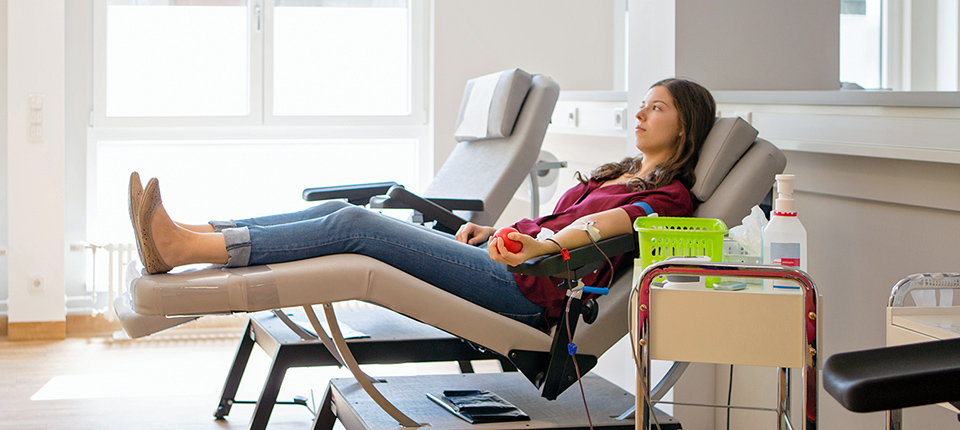
If you have ever rolled up your sleeve to donate blood, you already understand the simple power of giving something small that can make a big difference. Plasma donation works in a similar way, but many people are less familiar with what plasma actually does or why it is so important. It tends to stay out of the spotlight, even though hospitals rely on it every single day.
Plasma is the pale yellow liquid portion of your blood. It carries proteins, hormones, and antibodies throughout your body, helping with clotting, immunity, and healing. When someone experiences trauma, burns, immune disorders, or certain chronic illnesses, plasma based therapies can be essential to recovery.
For patients with rare diseases or compromised immune systems, plasma derived medications are not optional. They are part of daily or weekly life. Without a steady supply of donors, those treatments can become harder to access, which is why donation centers are constantly encouraging new and returning donors.
What makes plasma donation unique is how scalable it is. A single donor can give more frequently than with whole blood, which means one person can help multiple patients each month. That small, repeated act adds up faster than most people expect.
Understanding What Plasma Is and How It Is Used
Plasma often gets described as the delivery system of the bloodstream. It carries nutrients, removes waste, and distributes proteins that help your body fight infection. While red blood cells grab the attention, plasma quietly keeps everything moving.
Medical teams separate plasma from donated blood and use it to create therapies for a wide range of conditions. These include clotting factor replacements for people with bleeding disorders, immune globulin treatments for autoimmune diseases, and emergency transfusions for trauma patients. In many ways, plasma becomes a raw material for modern medicine.
Because these treatments are manufactured from donated plasma, supply depends directly on donor participation. Unlike many drugs that can be fully synthesized in a lab, plasma therapies rely on real people showing up and donating. That human connection is part of what makes the process feel so personal.
The need is also ongoing. Plasma products cannot be stockpiled indefinitely, and demand continues to grow as new therapies are developed. That means donation is not a one time solution, but an ongoing community effort.
How plasma based therapies change lives
It helps to picture the people on the receiving end. A child born with a rare immune deficiency might rely on monthly infusions just to avoid constant infections. Someone with a bleeding disorder may need clotting factors to prevent dangerous internal bleeding after a minor injury.
For burn victims, plasma can help stabilize blood volume and support healing. For people undergoing certain surgeries or cancer treatments, it can mean the difference between complications and recovery. These are not abstract benefits. They show up in very real, everyday ways.
When you donate, you may never meet the person who receives your plasma. Still, your contribution becomes part of their treatment plan, woven into their path back to health. That quiet impact is what keeps many donors coming back.
What to Expect When You Donate for the First Time
Walking into a plasma center for the first time can feel a little intimidating. There are forms to fill out, health questions to answer, and a few medical checks that might seem unfamiliar. Once you understand the process, though, it becomes surprisingly straightforward.
After registering, staff members typically check your weight, temperature, blood pressure, and protein levels. These steps make sure donation is safe for you and for the people who will receive your plasma. If everything looks good, you move to the donation area and get comfortable in a reclining chair.
Unlike whole blood donation, plasma donation uses a process called plasmapheresis. Blood is drawn, plasma is separated out, and the remaining components are returned to your body. It sounds complicated, but the machine handles most of the work automatically.
The session usually takes longer than a standard blood donation, often around an hour or more. Many donors pass the time reading, listening to music, or scrolling on their phones. It becomes a small, quiet pause in the day rather than a stressful medical event.
Tips for a smoother, more comfortable visit
A little preparation can make the experience much easier. Drink plenty of water the day before and the day of your appointment. Being well hydrated helps your veins and can speed up the process.
Eating a balanced meal with protein beforehand also helps you feel steady. Some people feel lightheaded if they donate on an empty stomach, so a simple snack goes a long way. Wearing comfortable clothes with sleeves that roll up easily also makes things more convenient.
Afterward, take it easy for a few hours. Most people feel fine and return to normal activities quickly, but giving your body time to rest is always smart. Think of it like any small workout, you did something good, now let yourself recover.
Who Can Donate and How Often You Can Go
One of the common misconceptions is that plasma donation is only for a narrow group of people. In reality, many healthy adults qualify. Centers usually have basic requirements related to age, weight, and general health.
If you are over a certain age threshold and meet minimum weight guidelines, you likely qualify. Staff will review your medical history and medications to ensure everything is safe. Some conditions or recent travel may temporarily defer you, but these are often short term.
Another difference from whole blood donation is frequency. Because red blood cells are returned to your body, you can donate plasma more often. In many cases, people are eligible to donate multiple times within a month, which increases the overall impact of their contributions.
That flexibility is part of why plasma programs can meet growing demand. Regular donors become the backbone of the system, showing up week after week. Over time, what feels like a small habit can help dozens of patients.
Clearing up common concerns and myths
Some people worry that donating plasma will weaken their immune system or leave them drained for days. For healthy individuals, that is rarely the case. The body replenishes plasma relatively quickly, often within a day or two.
Others worry about safety. Modern donation centers use sterile, single use equipment and follow strict screening protocols. The risk of infection from the process itself is extremely low.
There is also the myth that you need to be in perfect shape to donate. You do not have to be an athlete or follow a perfect diet. If you are generally healthy and pass the screening, you are likely good to go. Staff members are there to guide you, not judge you.
How Local Donation Centers Fit Into the Community
Plasma centers are often quieter than big hospitals, but they play an important role in local healthcare ecosystems. They create jobs, provide health screenings, and offer a practical way for people to contribute directly to medical care. In many neighborhoods, they become familiar places that people visit regularly.
For some donors, the motivation is purely altruistic. For others, compensation offered by certain centers helps cover groceries, gas, or bills. Both reasons can coexist, and both still lead to the same outcome, a stronger supply of lifesaving plasma.
You might hear friends talk about their experience at a nearby center or search online for options like Salt Lake City plasma donation when trying to find a convenient location. That local connection makes the idea feel less abstract and more accessible. Instead of a distant hospital, it becomes a place you can walk into on a Tuesday afternoon.
Over time, these centers build small communities of repeat donors. People recognize each other in the waiting room and swap stories about work or school. What could feel clinical ends up feeling surprisingly human.
Turning donation into a routine habit
Making plasma donation part of your routine is often easier than you think. Some people schedule appointments after work once a week. Others stop by on weekends when they have extra time. Treating it like any other regular errand helps it stick.
Consistency also means you do not have to overthink it. You know what to expect, how long it takes, and how you will feel afterward. That familiarity removes barriers that might otherwise keep you from going.
Many long term donors say the habit becomes something they look forward to. It is an hour to slow down, listen to a podcast, and know you are doing something useful. Not many errands offer that combination.
Small Actions That Add Up to Real Impact
It is easy to feel powerless when you read about big healthcare challenges. Stories about shortages and rising costs can make problems seem too large for any one person to influence. Plasma donation is one of the rare exceptions where individual action truly matters.
Every unit collected supports medications and treatments that cannot exist without donors. There is no synthetic shortcut or easy replacement. The system depends on everyday people deciding to help.
You do not need special training or a lot of free time. You just need a little willingness and a couple of hours now and then. That accessibility is what makes plasma donation so powerful.
If you have ever wondered how to contribute in a tangible way, this might be it. A simple appointment, a comfortable chair, and a small part of your afternoon can ripple outward in ways you may never fully see. Sometimes the most meaningful help comes from the quietest acts.
